

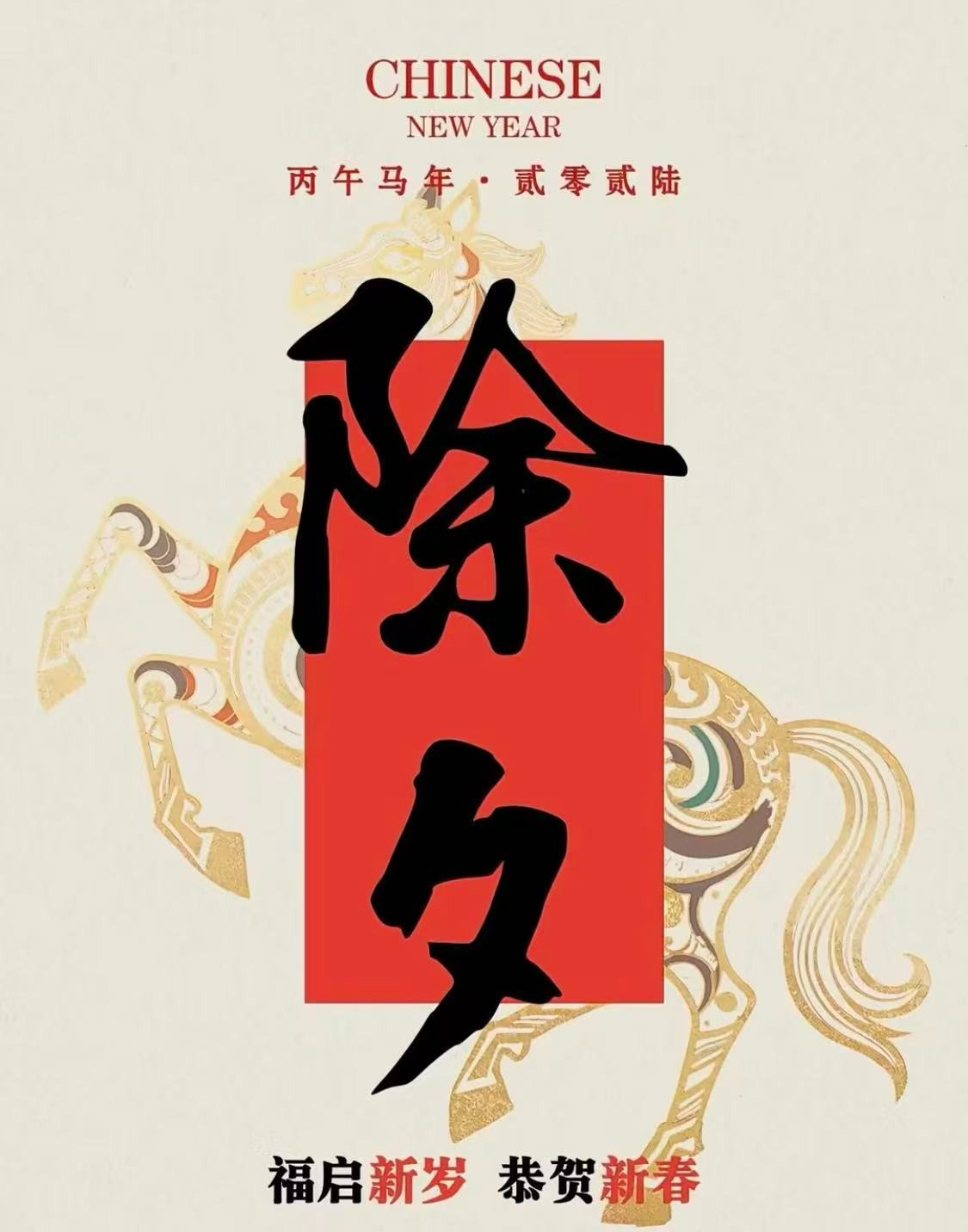
The Ancient Origins of Chinese New Year
Take a few minutes to discover the 3,000-year history behind the world’s largest annual migration and renewal festival. The true origins of Chinese New Year reach back over three millennia, through dynasties rise and fall, evolving from ancient religious rituals into the global celebration we know today.
A Conversation with Gods and Ancestors
Long before firecrackers and red envelopes, Chinese New Year began as something far more solemn. Göran Aijmer, an anthropologist who has extensively studied late imperial Chinese festivals, says the earliest New Year celebrations were fundamentally about “timely signs” and dominance over nature [1]. Ancient Chinese communities didn’t just mark the passage of time; they performed rituals they believed could influence it.
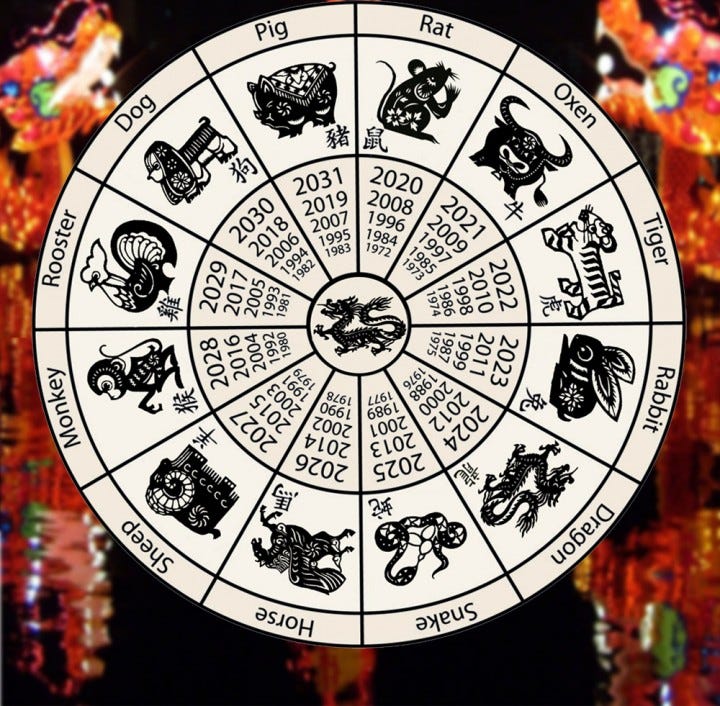
The Chinese lunar calendar holds deep cultural and historical significance because it aligns human life with the rhythms of nature through its lunisolar structure, which tracks both moon phases and the solar year. For thousands of years the Chinese have used it to track agricultural cycles, helping communities determine planting and harvesting times, and it continues to shape major cultural traditions today by determining the dates of festivals such as Lunar New Year and the Mid‑Autumn Festival. It also evolved the creation of the Chinese zodiac, influencing ideas about personality, fate, and auspicious timing for important life events. The Chinese calendar reflects a philosophical worldview centered on harmony and balance, making it not just a system for marking time but a cultural framework that still resonates throughout Chinese society.

The festival’s deepest roots lie in the Shang Dynasty (1600–1046 BCE), when people held ceremonies to honor gods and ancestors at the turn of the year. These weren’t just festive parties; they were negotiations with the spiritual world. Farmers pleaded for good harvests. Mothers pleaded for the health and wealth of their children. Communities sought protection from evil spirits. The entire celebration was, essentially, a conversation between the living and the divine. These were sacred rituals.
Ritualism is a major cornerstone of Chinese cultured rooted in the deep philosophy of Confucianism. Confucianism explains one of the festival’s most enduring traditions, family reverence. Filial piety is one of the foundations of Confucianism. When modern families gather to honor their ancestors with food offerings and incense, they’re participating in a ritual that’s remained consistent for over 3,000 years.
The Monster Named Nian
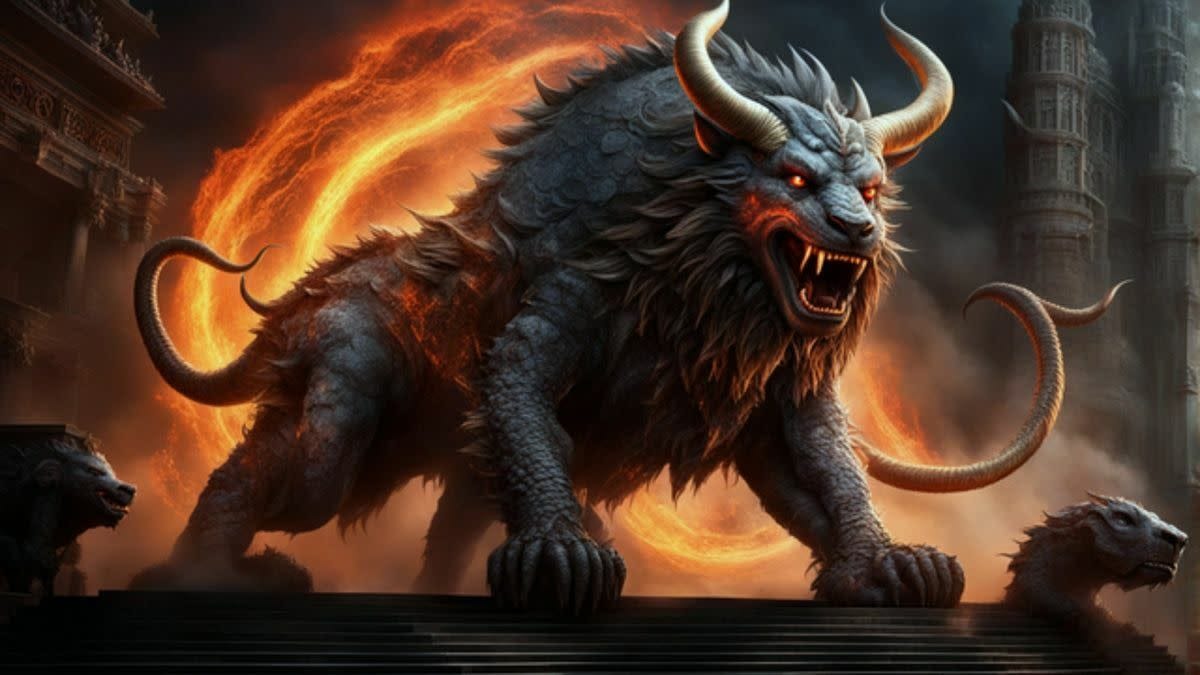
There is a legend of a mystical beast call Nian 年 (which means “year”). This terrifying monster would emerge from the mountains to devour villagers. The villagers would hide in fear watching helplessly as their loved ones were devoured and their crops ruined. However, the villagers discovered Nian feared the color red, loud noises, and bright lights. It is suggested that this was when the villagers created red decorations and firecrackers. Xiaofeng Liu’s research on the New Year Festival Cluster discusses myths like the Nian story, served a deeper purpose. These stories helped structure and explained the festival’s internal logic [2]. The monster represented the chaos of the old year. The rituals to defeat it represented humanity’s power to create order and renewal. The Nian myth isn’t just a children’s story in China, it is a foundational cultural beginning. This cultural framework helped generations understand why they did what they did during this liminal, dangerous time between years.
The Qin and Han Dynasty Transformation
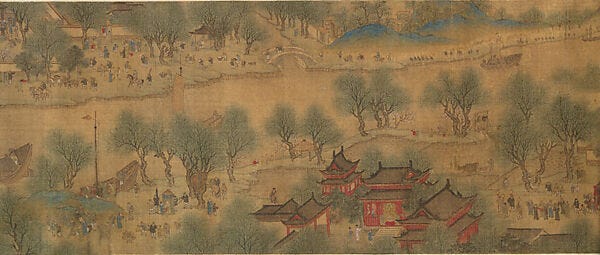
The festival we recognize today, began taking shape during the Qin (221–206 BCE) and Han (206 BCE–220 CE) dynasties. Two crucial developments occurred during this time. First, Emperor Wu of Han established a standardized calendar in 104 BCE that fixed New Year’s date. Second, the celebration began shifting from purely religious observance toward community celebration. Cuihua Li’s comprehensive study of Spring Festival development explains how this period saw the emergence of practices like family feasting and visiting neighbors [3]. The walls between the sacred and the social began to blur, and ritual became more utilized in households as feasts and festivals. It was a transition in culture towards building family traditions that would last for generations. These eras saw the exchange from “you still needed to honor the gods” but can also follow ritual and enjoy yourself while doing it.
Chinese Medieval Celebrations
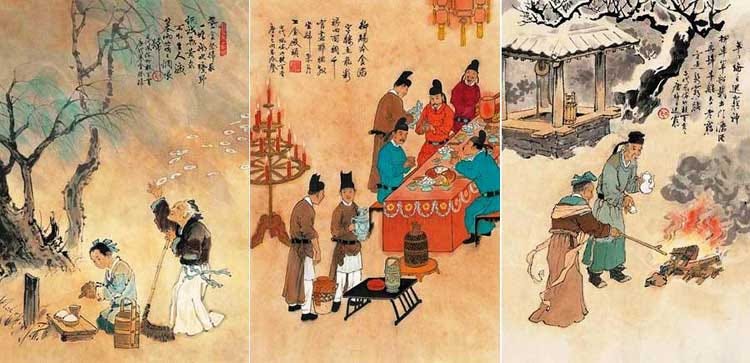
Chinese New Year during the Tang (618–907) and Song (960–1279) dynasties, evolved into more celebration, mass migrations, family ritual, with more emphasis on friend and family reunion. Today Chinese New Year is the largest mass migration of people around the world. Xiao Rao notes, a “medieval flowering” of New Year culture [4].
The Tang dynasty, considered China’s golden age of culture, transformed Chinese New Year into a spectacular public event. Cities across the empire erupted with new performances, dances, Opera, music, literature, and art. Markets overflowed with specialty foods like candied hawthorn, dumplings, that to this day are staples of New year celebrations. Poetry circulated celebrating the turning of the calendar. Yuqi Wang and Mumtaz Mokhtar’s research on festival visual art reveals something fascinating this period established the visual language of celebration we still use today [5]. Door gods, couplets, painted on red paper. Auspicious symbols like fish representing surplus and bats representing fortune. These decorations became a sophisticated visual code that communicated cultural and spiritual blessings and protection.
Late Imperial Elaboration Rules and Rituals
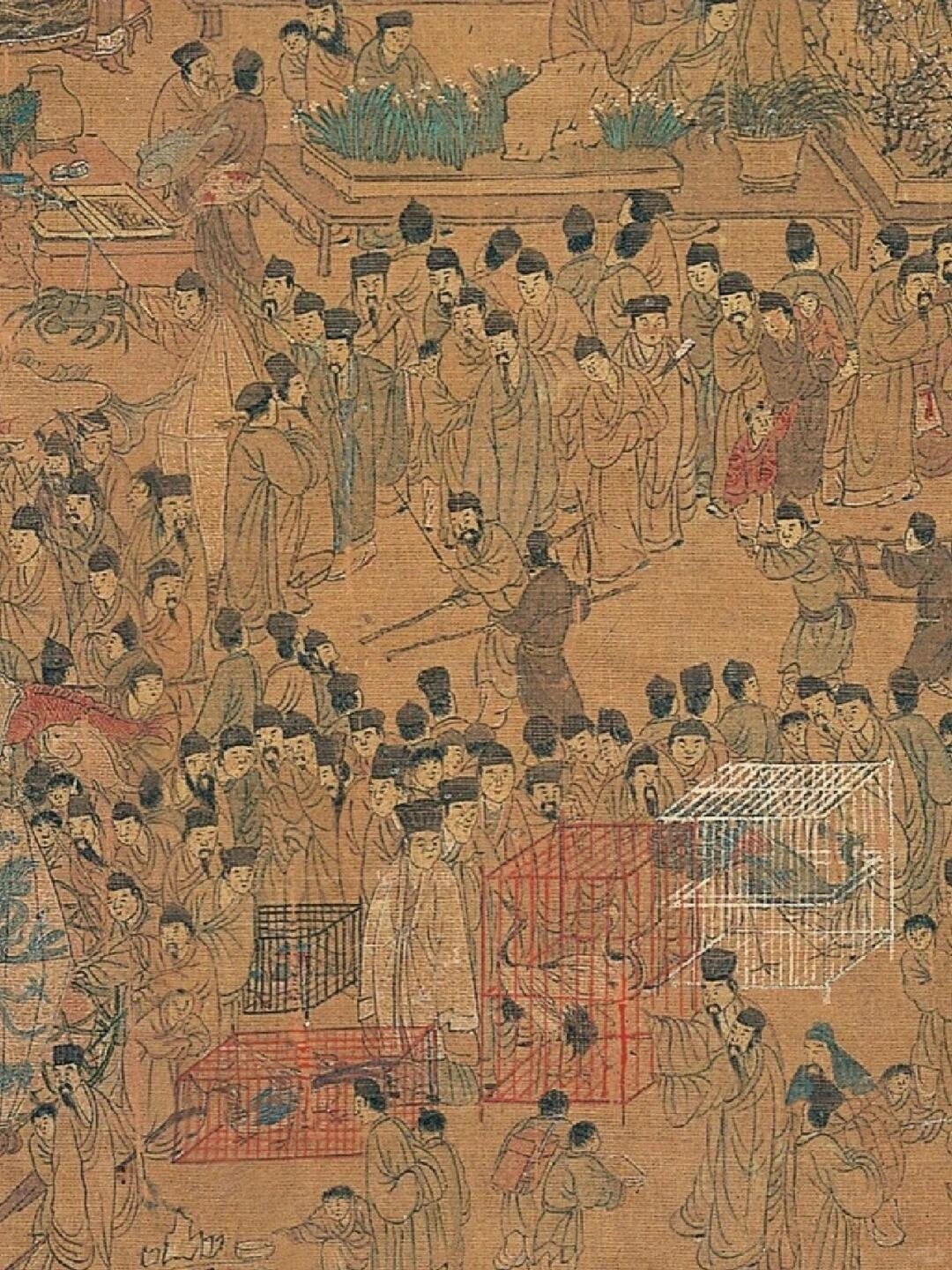
By the Ming (1368–1644) and Qing (1644–1912) dynasties, New Year had become extraordinarily elaborate. Aijmer’s explains how into late imperial celebrations shows just how complex things had become [6]. Every action had its proper time and place. The 23rd day of the 12th month, send the Kitchen God to report to heaven. New Year’s Eve, the family reunion dinner. The first day of the new year, honor elders. The second day, visit in-laws. The fifteenth day, the Lantern Festival conclusion. This structured approach wasn’t rigid tradition for its own sake. These structured rituals provided a shared rhythm that unified communities across China. Whether you celebrated in Beijing or Guangzhou, you followed the same basic sequence. Spring festival is a cultural grammar that announced, “We belong to the same people.”
Why Origins Matter Today
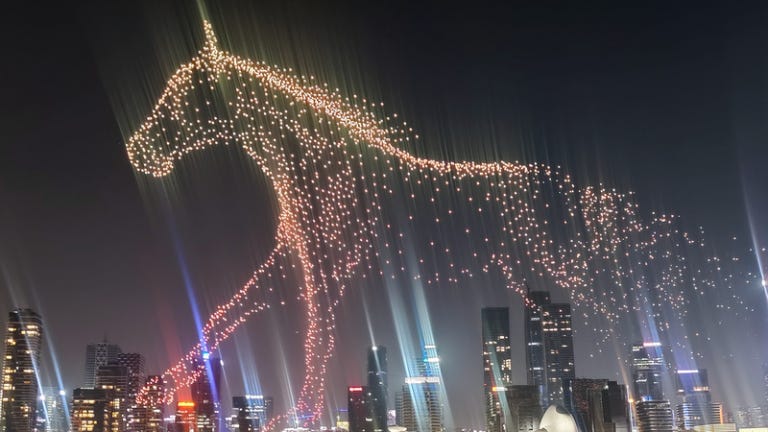
Understanding these origins can transform how we see modern Chinese New Year. When you watch the CCTV New Year’s Gala, you’re witnessing the descendant of Tang dynasty performances. When you give red envelopes, you’re continuing a tradition of blessing and protection that predates written history. When you travel across continents to be with family, you’re participating in the same core value, family reverence that motivated Shang dynasty ancestor worship.
Xiaofeng Liu’s research argues that the New Year festival cluster has maintained its internal structure while constantly evolving its surface elements.[7] The deep patterns endure even as the details change. We no longer sacrifice oxen to agricultural gods, but we still express hope for prosperity. We don’t consult oracles about the coming year, but we still read zodiac predictions with curiosity. We still offer gifts to deities in return for protection and blessings.
A Living Tradition
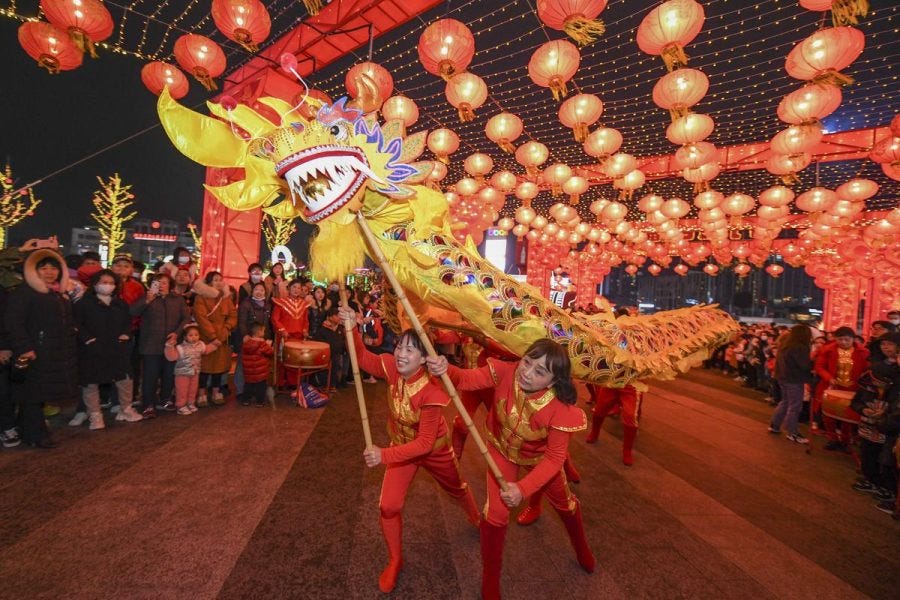
Perhaps the most remarkable thing about Chinese New Year isn’t its age, but its vitality. A 3,000-year-old tradition hasn’t become fossilized. It continues to evolve, absorb new elements, and speak to each generation. This year, as millions travel home and families gather around dinner tables, they’ll be doing something profoundly ancient and utterly contemporary. They’ll be continuing a conversation that has lasted three millennia, between generations, between the human and the divine, between the old year and the new.
And that, perhaps, is the most beautiful tradition of all.

Spring Festival 15 Days of Celebration
Day 1: Chinese New Year’s Day
Families gather for reunion dinners and to honor ancestors. Fireworks are common to ward off evil spirits.
Day 2: Married Daughters’ Day
Daughters visit their parents, and families exchange gifts. It’s also a day for businesses to reopen.
Day 3: Day of the Rat
Traditionally considered an inauspicious day, many avoid visiting others. Some people stay home to avoid bad luck.
Day 4: Day of the Kitchen God
Families prepare offerings to the Kitchen God, who reports on household behavior to the Jade Emperor.
Day 5: Festival of the Lanterns
Celebrated with lion dances and fireworks. Dumplings are eaten to symbolize wealth.
Day 6: Day of the Cattle
A day for visiting friends and relatives, often involving feasting.
Day 7: Day of Humans
Celebrated as the day humans were created. People eat noodles for longevity.
Day 8: Day of the Family
Families gather for meals, and some may visit temples.
Day 9: Day of the Jade Emperor
Celebrated with offerings to the Jade Emperor, the ruler of heaven.
Day 10: Day of the Earth God
Families honor the Earth God with offerings and prayers.
Day 11: Day of the Ancestors
A day for honoring ancestors with offerings and prayers.
Day 12: Day of the Mice
Traditionally a day for cleaning and preparing for the Lantern Festival.
Day 13: Day of the Lantern Festival
The festival concludes with lantern displays, dragon dances, and eating tangyuan (sweet rice balls).
Day 14: Lantern Festival Eve
Preparations for the Lantern Festival, with families enjoying festive meals.
Day 15: Lantern Festival
The final day of the Spring Festival, marked by lantern displays, riddles, and family gatherings. It symbolizes reunion and harmony.
Bibliography
Aijmer, Göran. Timely signs, dominance, and vernal celebrations in late imperial Southern China: An exercise in anthropology in the past tense. Civilizations, vol. 72, 2023, pp. 237-250.
Aijmer, Göran. New year celebrations in central China in late imperial times. Chinese University Press, 2003.
Li, Cuihua. 先秦至唐宋时期春节习俗研究 [Study on Spring Festival from Pre-qin to Song Dynasty]. 2010.中山大学 [Sun Yat-sen University], MA thesis.
Liu, Xiaofeng. 春节研究——新年节日群的内在结构与演变 [Research on the Spring Festival——The Internal Structure and Evolution of the New Year Festival Cluster]. 清华大学学报(哲学社会科学版) [Journal of Tsinghua University(Philosophy and Social Sciences)], vol. 39, no. 2, 2024, pp. 1-18.
Rao, Xiao. Lunar New Year in medieval China. UCI School of Humanities, 16 Jan. 2025, www.humanities.uci.edu/news/lunar-new-year-medieval-china.
Wang, Yuqi, and Mumtaz Mokhtar. Festival and visual art in ancient China: a historical review. Ideology Journal, vol. 9, no. 1, 2024, pp. 188-198. UiTM Institutional Repository. DOI:10.24191/idealogy.v9i1.507
[1] Göran Aijmer. Timely signs, dominance, and vernal celebrations in late imperial Southern China: An exercise in anthropology in the past tense. Civilizations, vol. 72, 2023, pp. 237-250.
[2] Xiaofeng Liu. 春节研究——新年节日群的内在结构与演变 [Research on the Spring Festival—The Internal Structure and Evolution of the New Year Festival Cluster]. 清华大学学报(哲学社会科学版), vol. 39, no. 2, 2024, pp. 1-18.
[3] Cuihua Li. 先秦至唐宋时期春节习俗研究 [Study on Spring Festival from Pre-qin to Song Dynasty]. 2010. Sun Yat-sen University, MA thesis.
[4] Xiao Rao. Lunar New Year in medieval China. UCI School of Humanities, 16 Jan. 2025
[5] Wang, Yuqi, and Mumtaz Mokhtar. Festival and visual art in ancient China: a historical review. Ideology Journal, vol. 9, no. 1, 2024, pp. 188-198.
[6] Göran Aijmer. New year celebrations in central China in late imperial times. Chinese University Press, 2003.
[7] Xiaofeng Liu. 春节研究——新年节日群的内在结构与演变 [Research on the Spring Festival—The Internal Structure and Evolution of the New Year Festival Cluster]. 清华大学学报(哲学社会科学版), vol. 39, no. 2, 2024, pp. 1-18.
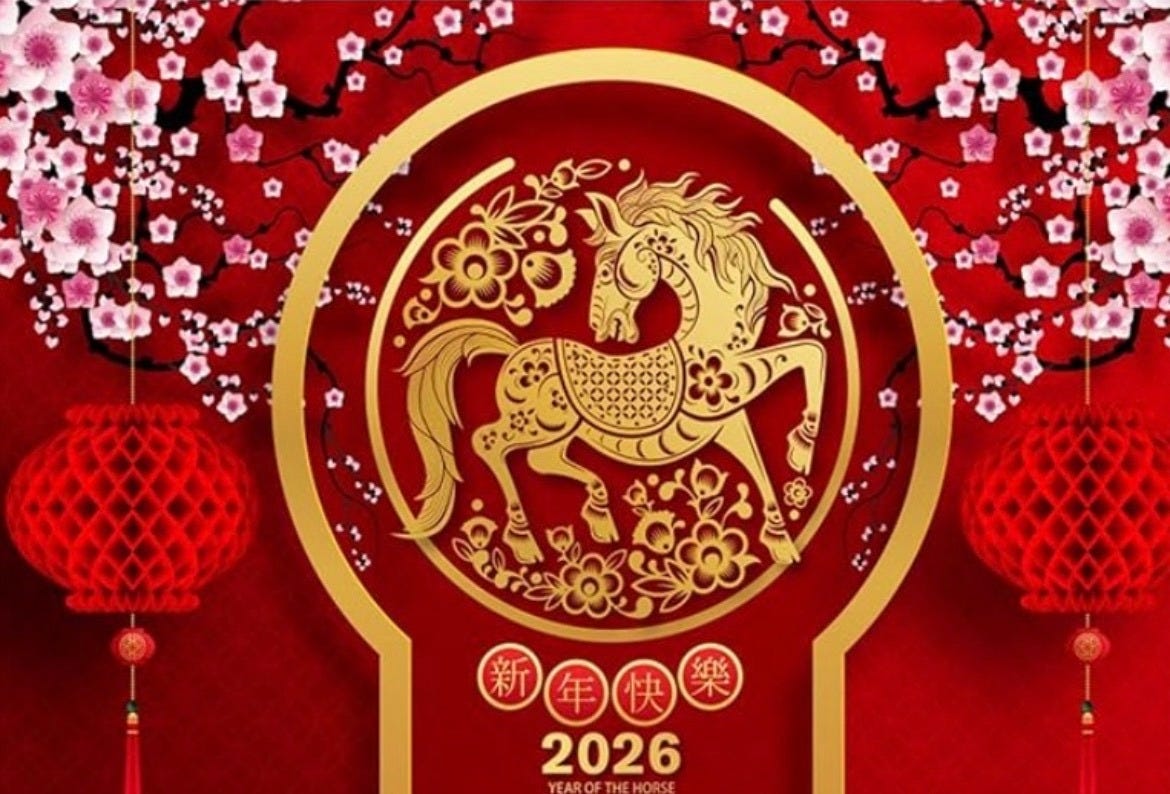
Welcome to the Year of the Fire Horse!
I liked the breadth of information about Chinese culture ceremony of this global procession! It brings a lot of reminders to why rituals and aesthetic representation accompanies times to bolster their importance to all. A grand tale to tell for many thousands of years, and many more!
This was so enriching and beautiful laid out for us to see a wonderful performance full of depth and grace💌❣️