

From Burnout to Balance: How I Learned to Build Boundaries the Hard Way
I’m not going to lie or be a hypocrite and say I’ve always had healthy habits. I have not. I am also not here to preach. I make plenty of mistakes.
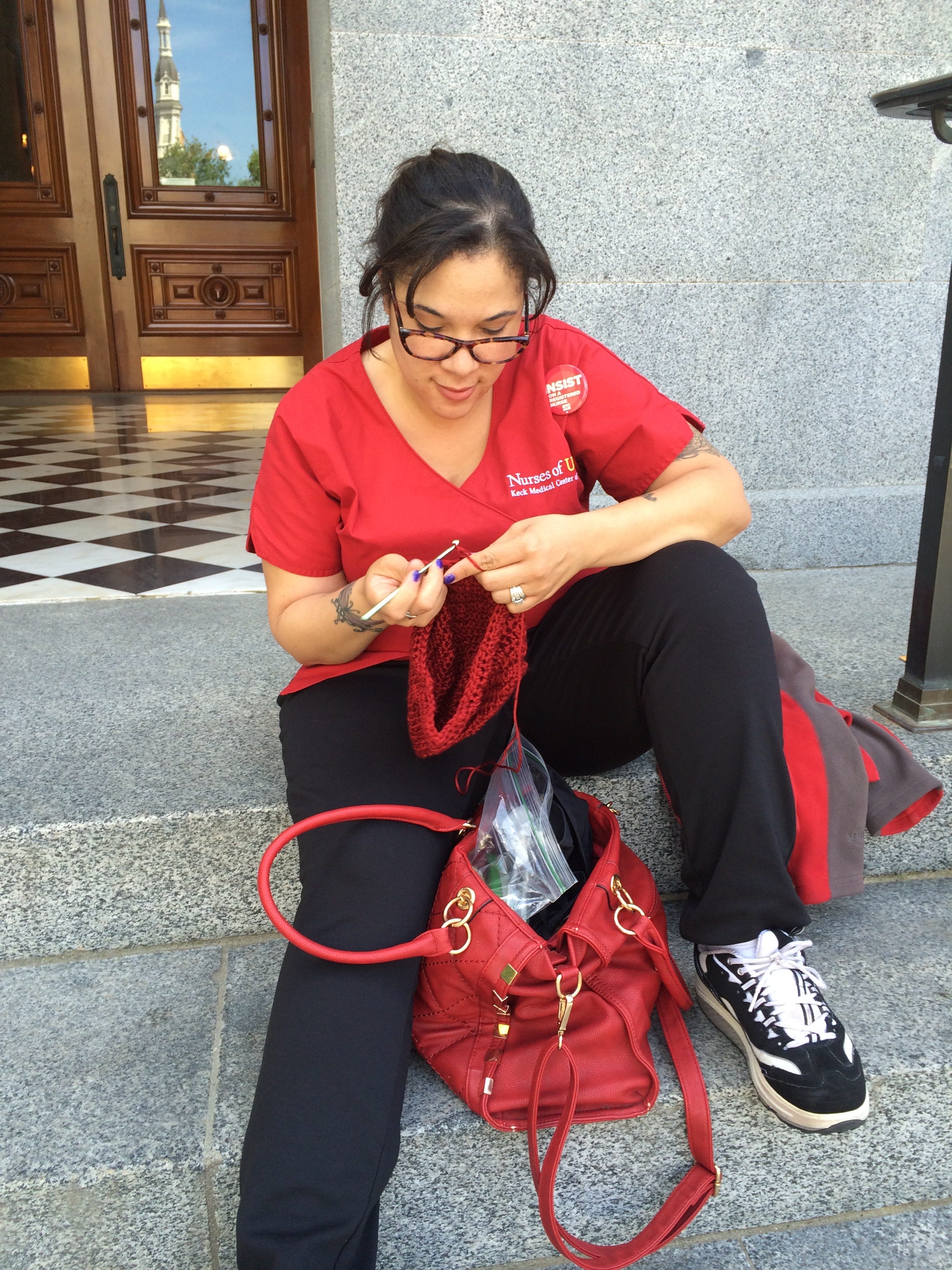
For years, as a full-time nurse, I lived in survival mode. I didn’t know how to set boundaries, worked ridiculous hours, ate all the wrong things, and did not take care of myself. That fast-paced lifestyle erased any chance for a healthy work-life balance, good physical health, or stable mental health. Ironically, I was the furthest from “healthy” even while being vegan and a runner at the time.

My downfall was believing in the relentless grind, the social pressure to be the perfect nurse, perfect wife, perfect mother. 60-hour workweeks, extra call hours, caring for my home and children, all with minimal support. My body finally just gave out. I did not even know how sick I was until I woke up in the ICU, after emergency abdominal surgery.
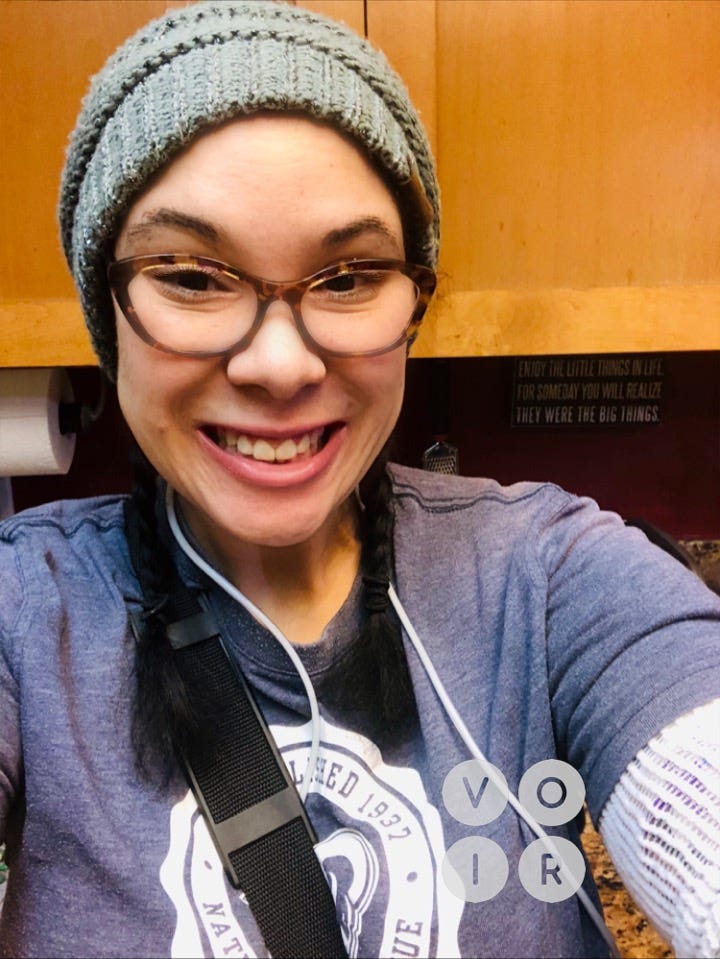
A debilitating illness forced me to stop. It was a brutal, non-negotiable full stop. After a long healing period, I finally had the time, ability, and will to create healthy habits. But I didn’t start right away. Why? Because even in recovery, the demand for female top-speed productivity echoed in my head. I traded one form of overwork for another. I was still without boundaries, still unable to say no. It was different, but it wasn’t healthy.
Cue the therapist.
I started therapy believing I was a failure. I believed I was someone unable to cope with the demands of life, motherhood, friendship, and work. But my therapist helped me see the truth. I wasn’t a failure. I’d never been a failure. I just had completely unreasonable, overflowing expectations of performance. It’s not rational to expect anyone to do so much without breaking.
That’s where the real work began, the really hard part of reframing the expectations I thought were real and expected of me.
Slowly, I began learning that setting boundaries and building sustainable habits isn’t optional self-care; it’s imperative for survival. It’s crucial for your mental and physical health. This isn’t just a feel-good fluffy thought; it’s a physiological fact. Stress corrodes you from the inside out.
The American Psychological Association states:
“Chronic stress may also cause disease, either because of changes in your body or the overeating, smoking, and other bad habits people use to cope with stress. Job strain—high demands coupled with low decision-making latitude—is associated with increased risk of coronary disease, for example. Other forms of chronic stress, such as depression and low levels of social support, have also been implicated in increased cardiovascular risk. Chronic stress also suppresses the body’s immune system, making it harder to recover from illnesses.” (APA)
That was my life. Staying up all hours, eating on the go (or not at all), constant worry, plus housework, plus children, plus work… it nearly killed me.
How Change Actually Happens: One Small Habit at a Time
Changing these patterns wasn’t an overnight immediate transformation. There was no quick New Year’s resolution that fizzled out in a week. I started small. With my therapist, we tackled the most important thing first, my body. If the body isn’t functioning, nothing else can.

Our first step was water. Just adding water at specific intervals until it became automatic. I started with timers. (Apple Watch is really good for this. Or set on a phone timer.)
Next was meals. Our family habit was eating alone, often with the TV on. My then-husband didn’t like the dining table. He thought it was too much trouble. The table was the family catch all. So, I cleared it off and insisted we all sit down together. That was the only rule for a couple weeks.
Then, I added: sit down, eat, no electronics.
Then: sit down, eat, no electronics, make eye contact, talk.
Now, even with guests, the rule stands firm. No electronics at the table. We share about our day and say one thing we’re grateful for. This small, consistent practice became one of our most protected family habits. We all ate better, and we grew closer. This led to family nights. Game board night and movie night. The children have video gaming nights where even the grown and moved away siblings come.

You might be thinking what is she talking about? What does a family dinner have to do with online life?
I use this example because it illustrates the process. You build habits slowly, layer by layer, until they become unconscious practice. The same principle applies to everything, especially our digital lives. Without balance, it’s not sustainable. It’s not healthy.
I do my best, but I am human. Sometimes I miss my own goals. If something is urgently on my mind and I need to write it out, I might miss my bedtime. The point isn’t perfection; it’s consistent practice and gentle return.
These are my core boundaries and habits I’ve been building over the last three years. They are my foundation of being.

My Non-Negotiables
1. Sleep is Your Best Friend.
My sleep window is 11 PM to 6:30 AM. All my Apple devices go into a Focus mode at 10:30 PM and don’t come back online until 6:30 AM. If I’m restless and tempted to doomscroll, I charge my phone in the living room, far from my bedroom. I take a book instead. At 11, the light goes out. (This is the goal I miss most often, especially because it’s the newest habit. Only a few months old.)
2. Hydration is Non-negotiable.
I love my coffee, but I start and end my day with a glass of water. My daily minimum is eight glasses. I started with timers too but then it became a regular habit. I typically drink more.
3. Protected Family Time.
During family dinner, homework time, movie nights, outings, birthday parties, or celebrations, my phone is on Do Not Disturb. My family deserves my full attention. I would feel horrible if I was distracted on the phone and gave my son the wrong help on his homework. He would also feel like his need for help doesn’t matter to me. Only emergency contacts can reach me during these times. I put my phone away and focus on being present.
4. Designated Digital Time.
After my morning meditation and water, I dedicate one hour to answering messages across all my platforms (WeChat, Substack, Instagram, Blue Note, 小红书). Then, I start my day by making a list of things that must be done. During work and family time, notifications are muted. I will never apologize for that.
5. Balance Creativity and Writing Practice.
I can write for hours. I get so focused I forget everything else. I use timers to remind myself to take breaks, stretch, or walk. I have residual nerve damage in my hands. I often use dictation software, which allows me to write while moving. Also, I don’t force myself to write daily. If my creativity stalls, i do something else. Like one of my hobbies: crochet, baking, embroidery, calligraphy. I need a clear mind to be a creative mind.
6. Intentional Community Engagement.
Substack, like any community of humans, requires commitment. I can’t expect engagement if I don’t reciprocate. I schedule two days a week to read and comment on others’ work. Links people send me are saved immediately. I limit myself to 20 articles a day. That can be a story, a poem, an essay, only 20. Sometimes, I’ll read Substack in the evening instead of a book.
The key for me is to avoid being online 24/7, which is draining. I want to give my full attention and care to the articles I read and the writers I connect with, but I have a tendency to hyper-fixate. Boundaries are what allow me to show up fully and authentically when I am there.

The main thing, always, is balance. It’s necessary to create boundaries. It’s necessary to take time off. It’s necessary to remember that your health, mental and physical, are the foundation for everything else you want to do and be.
Do your best from your own authentic heart.
It’s a daily practice, and I’m still practicing, every day.
Bibliography:
“How Stress Affects Your Health.” American Psychological Association, 1 Jan. 2023, www.apa.org/topics/stress/health.
White Rabbit Musings is my labor of love. This publication is reader supported. All articles will remain free domain, however if you would like to support my work, please consider becoming a paid subscriber or buying me a book. Thank you so very much for reading. I appreciate your time.
Thanks for sharing your story! I agree, habits are built slowly, layer by layer to become unconscious practice. This post will definitely inspire me to set some good habits for myself!
Honestly, reading along made me nod a lot and wince a little, in a good way. Boundaries learned through pain carry weight, not slogans, and the small habits sound sturdy enough to hold a life together. Water, sleep, dinner, quiet time, saying no without apology~ plain choices, hard won, kept on purpose. The care here isn’t loud or perfect, just steady, and that steadiness reads like survival done with respect.